What Is Professional Development? Meaning, Examples, and Tips for Career Growth
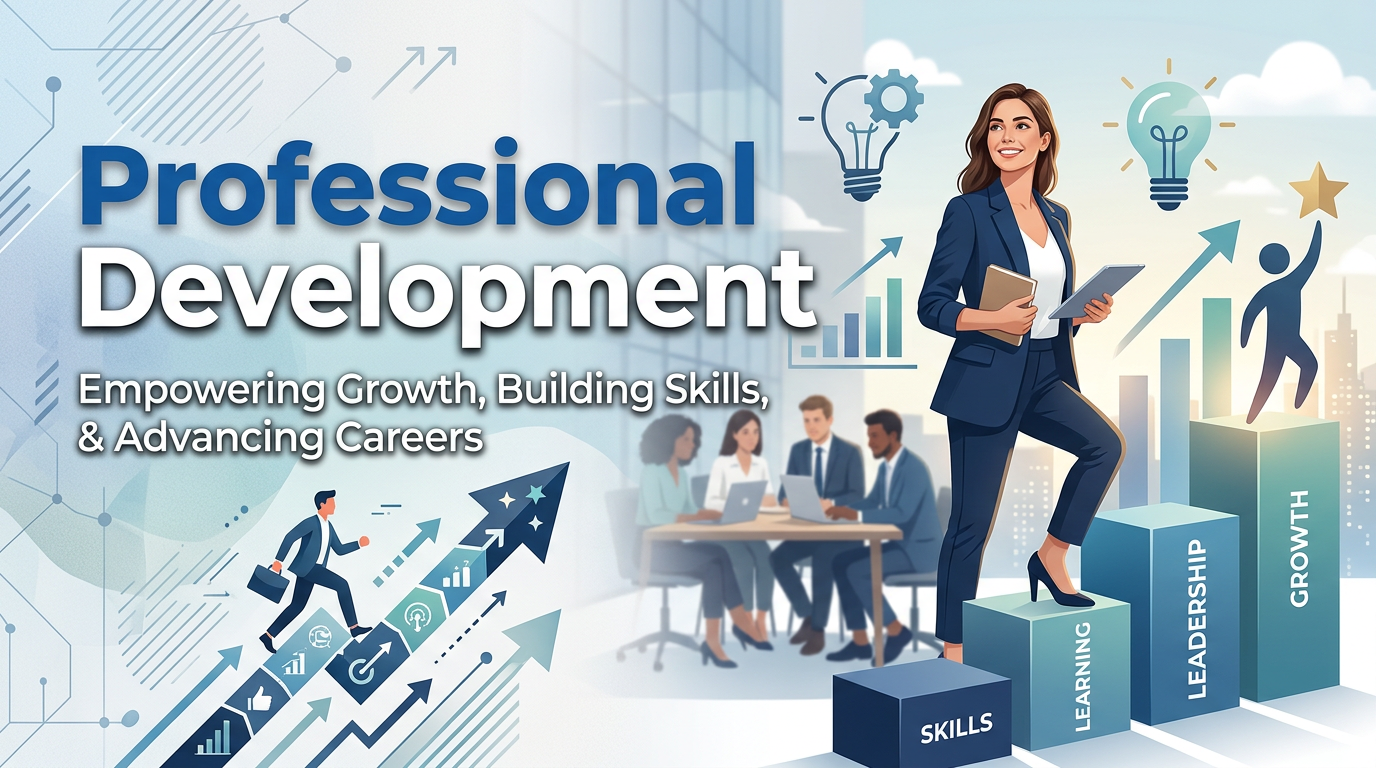
Your career does not grow only because of time. It grows when you keep learning, improving, and building new skills.
That is the idea behind professional development. It helps you become better at your job, prepare for new responsibilities, and stay ready for changes in your industry.
In this guide, we will explain what professional development is, why it matters, common examples, and how to create a simple plan for your career growth.
What Is Professional Development?
Professional development is the process of learning new skills and improving existing abilities to support your career.
It can be formal or informal. Formal professional development may include courses, certifications, training programs, conferences, or workshops. Informal professional development may include reading, learning from coworkers, asking for feedback, practicing presentations, or improving your daily work habits.
Professional development can help you improve hard skills, such as data analysis, writing, coding, design, sales, or project management. It can also help you improve soft skills, such as communication, leadership, teamwork, problem-solving, and time management.
The main goal is simple: to become more capable, more confident, and more valuable in your professional life.
Why Is Professional Development Important?
Professional development is important because work changes quickly. New tools, technologies, customer needs, and business methods appear all the time.
If you stop learning, your skills can become outdated. If you keep improving, you can stay competitive and open more career opportunities.
Professional development can help you:
Improve job performance
Build confidence
Prepare for promotions
Change careers more smoothly
Learn new tools and methods
Strengthen communication skills
Build leadership ability
Increase your professional value
Stay updated in your industry
Set clearer career goals
It is useful for students, employees, managers, freelancers, teachers, founders, and anyone who wants long-term career growth.
Professional Development vs. Personal Development
Professional development and personal development are related, but they are not exactly the same.
Professional development focuses on skills and knowledge that help your career. Examples include learning project management, improving business writing, taking a leadership course, or earning a certification.
Personal development focuses more on your overall life, mindset, habits, and personal growth. Examples include improving confidence, building better routines, managing stress, or becoming more disciplined.
There is overlap between the two. For example, communication skills, confidence, and time management can support both personal life and professional success.
Common Types of Professional Development
Professional development can happen in many ways. Here are some common types.
1. Online Courses
Online courses are one of the easiest ways to learn new skills. They are flexible and often more affordable than in-person training.
You can take courses on topics like:
Marketing
Finance
Coding
Data analysis
Writing
Public speaking
AI tools
Leadership
Project management
Design
Online courses are useful because you can learn at your own pace. However, the value depends on how much you practice after the course.
2. Certifications
Certifications show that you have completed training or passed an exam in a specific area.
Examples include:
Project management certifications
Google Analytics certifications
HubSpot certifications
HR certifications
IT certifications
Accounting certifications
Language certifications
Cloud computing certifications
Certifications can be helpful if your industry values formal proof of skills. They can also make your resume stronger, especially when you are changing careers or applying for a more specialized role.
3. Workshops and Training Sessions
Workshops are short learning sessions focused on a specific skill or topic.
For example, a company may offer workshops on communication, leadership, sales, Excel, AI tools, conflict management, or presentation skills.
Workshops are useful because they are practical and interactive. You can learn a skill, practice it, and ask questions in a short time.
4. Conferences and Industry Events
Conferences help you learn from experts, discover industry trends, and meet other professionals.
They are especially useful for people who want to stay updated in fast-changing fields like technology, marketing, healthcare, education, finance, and business.
At a conference, you may attend talks, join workshops, meet vendors, network with peers, and learn about new tools or ideas.
5. Mentoring
Mentoring means learning from someone with more experience.
A mentor can help you understand your career path, improve your skills, avoid mistakes, and make better decisions.
A mentor may be a manager, senior coworker, teacher, industry expert, or trusted professional contact.
Good mentoring is not only about getting advice. It also requires you to ask clear questions, take action, and reflect on feedback.
6. Coaching
Coaching is more structured than mentoring. A coach helps you improve a specific skill or reach a specific goal.
For example, you may work with a coach to improve public speaking, leadership, communication, career planning, or executive presence.
Coaching can be helpful when you need focused support and regular feedback.
7. Reading and Self-Study
Reading is a simple but powerful form of professional development.
You can read:
Books
Industry reports
Newsletters
Research papers
Blogs
Case studies
Company reports
Professional guides
Reading helps you build knowledge and understand new ideas. To make reading more useful, take notes and think about how the information applies to your work.
8. Learning New Tools
Many jobs now require digital tools. Learning the right tools can improve your efficiency and make your work easier.
Examples include:
AI tools
Presentation tools
Data tools
Project management software
Design tools
CRM systems
Spreadsheets
Automation tools
Communication platforms
For example, a marketer may learn analytics tools. A teacher may learn AI tools for lesson planning. A project manager may learn task management software.
Tool learning is valuable when it helps you solve real work problems faster.
9. Networking
Networking is also part of professional development. It helps you learn from others, discover opportunities, and understand your industry better.
Networking can happen through:
LinkedIn
Industry events
Online communities
Professional groups
Alumni networks
Coworker relationships
Mentor introductions
Good networking is not just asking for favors. It is about building real professional relationships over time.
10. On-the-Job Learning
Some of the best professional development happens during real work.
You can grow by taking on new projects, solving difficult problems, joining cross-team work, leading meetings, writing reports, or presenting ideas.
On-the-job learning is powerful because it connects directly to real responsibilities.
For example, leading a project can help you improve planning, communication, teamwork, and decision-making at the same time.
11. Feedback and Performance Reviews
Feedback helps you understand what you are doing well and what you need to improve.
You can ask for feedback from managers, coworkers, clients, teachers, or teammates.
Useful feedback questions include:
What should I improve first?
What did I do well in this project?
Where was my communication unclear?
How can I make this work stronger next time?
What skill would help me grow in this role?
Professional development is faster when you use feedback instead of guessing.
12. Public Speaking and Presentations
Presentation skills are important in many careers. You may need to explain ideas in meetings, present reports, pitch clients, teach students, or lead training sessions.
Improving presentation skills can help you communicate more clearly and confidently.
You can practice by:
Giving short team updates
Presenting project results
Joining public speaking groups
Recording yourself speaking
Creating better slide decks
Asking for presentation feedback
Strong presentation skills can make your ideas easier to understand and more persuasive.
Examples of Professional Development Goals
Professional development works better when you set clear goals.
Here are some examples:
Improve public speaking skills
Learn advanced Excel
Complete a project management course
Build stronger leadership skills
Improve business writing
Learn how to use AI tools at work
Become better at giving feedback
Improve time management
Learn basic data analysis
Build a stronger professional network
Get a certification in your field
Prepare for a manager role
Improve presentation design
Learn how to negotiate better
Develop better customer communication skills
A good professional development goal should be specific and connected to your career.
How to Create a Professional Development Plan
A professional development plan helps you turn vague goals into clear action.
Step 1: Identify Your Career Goal
Start by asking what you want to achieve.
Do you want a promotion?
Do you want to change careers?
Do you want to become a manager?
Do you want to improve your current job performance?
Do you want to learn a new technical skill?
Do you want to become more confident at work?
Your career goal gives direction to your learning.
Step 2: Find Your Skill Gaps
Next, compare your current skills with the skills you need.
For example, if you want to become a manager, you may need better leadership, feedback, planning, and communication skills.
If you want to move into marketing, you may need SEO, analytics, copywriting, and campaign planning skills.
You can find skill gaps by reading job descriptions, asking your manager, reviewing feedback, or studying people in roles you want.
Step 3: Choose Learning Activities
After finding your skill gaps, choose the best way to improve.
For example:
Take an online course
Join a workshop
Read a book
Ask for a mentor
Practice a new tool
Lead a small project
Watch expert tutorials
Attend an event
Ask for feedback
Do not choose too many activities at once. One or two focused actions are easier to complete.
Step 4: Set a Timeline
A goal without a timeline is easy to delay.
Set a simple deadline.
Examples:
Complete one course in 30 days
Practice public speaking once a week
Read one professional book this month
Build one portfolio project in two weeks
Ask for feedback after every major project
A timeline keeps your development plan realistic and measurable.
Step 5: Track Your Progress
Keep track of what you learn and how you apply it.
You can write a short monthly review:
What did I learn?
What did I practice?
What improved?
What still feels difficult?
What should I do next?
Professional development is not only about collecting courses or certificates. It is about real improvement.
Professional Development Plan Template
You can use this simple template:
Career goal:
I want to become a stronger project manager.
Skills to improve:
Communication, planning, risk management, stakeholder updates.
Learning activities:
Take one project management course.
Ask my manager for feedback on project updates.
Lead one small project this quarter.
Read one book about project management.
Timeline:
Complete the course in 30 days.
Lead one project within 3 months.
Review progress at the end of each month.
Success measure:
I can create clearer project plans, communicate risks earlier, and manage deadlines with less confusion.
Professional Development Examples by Career Stage
For Students
Students can use professional development to prepare for future jobs.
Examples include:
Learning resume writing
Practicing presentations
Joining student clubs
Building a portfolio
Doing internships
Learning Excel or AI tools
Improving public speaking
Practicing interview skills
Students do not need to wait until they have a full-time job. Career growth can start early.
For Entry-Level Employees
Entry-level employees should focus on building core work skills.
Examples include:
Improving communication
Learning company tools
Asking for feedback
Building time management habits
Understanding team workflows
Taking on small projects
Learning from senior coworkers
At this stage, reliability and learning speed are very important.
For Managers
Managers need professional development in leadership and people management.
Examples include:
Giving better feedback
Managing conflict
Delegating tasks
Leading meetings
Coaching team members
Planning team goals
Improving decision-making
Communicating across departments
Good managers grow by helping others grow.
For Freelancers
Freelancers need both professional skills and business skills.
Examples include:
Improving client communication
Learning pricing strategy
Building a portfolio
Improving negotiation skills
Learning marketing
Managing time better
Creating better proposals
Building long-term client relationships
Professional development helps freelancers win better clients and deliver stronger work.
For Teachers
Teachers can use professional development to improve classroom experience and learning outcomes.
Examples include:
Learning new teaching methods
Creating better lesson plans
Using education technology
Improving classroom management
Learning AI tools for teachers
Building presentation materials
Attending education workshops
Sharing resources with other teachers
Professional development helps teachers stay updated and support students better.
Use Dokie AI to Support Professional Development
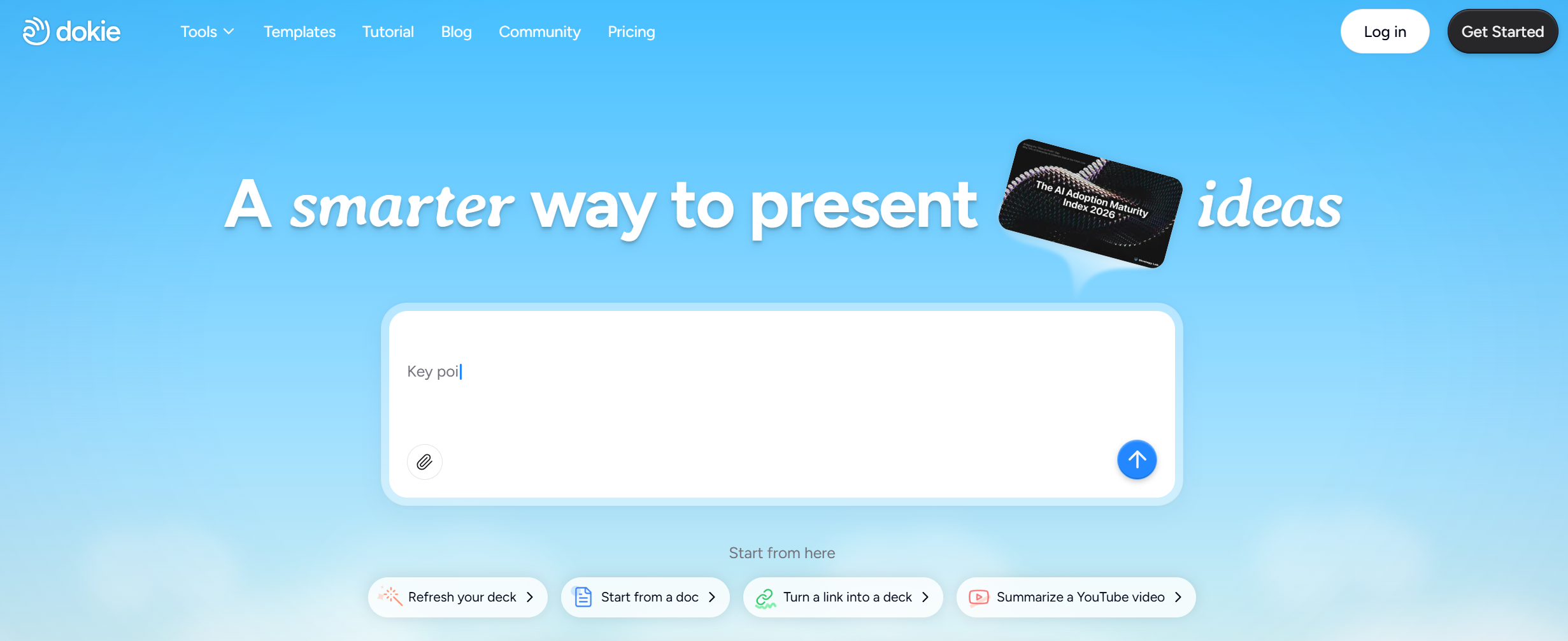
Professional development often requires clear communication. You may need to present a learning plan, share project results, prepare a training session, create a portfolio, or explain your career progress.
Dokie AI can help you turn your ideas, notes, and achievements into a clear presentation. You can use it to create professional development plans, career growth presentations, training decks, portfolio slides, and performance review summaries.
Instead of starting from a blank slide, Dokie AI helps organize your content into a structured, business-ready deck. This makes it easier to present your progress, explain your goals, and communicate your value at work.
Common Professional Development Mistakes
One common mistake is learning without a clear goal. Taking random courses may feel productive, but it may not help your career.
Another mistake is focusing only on hard skills. Technical skills are important, but communication, teamwork, leadership, and problem-solving are also valuable.
A third mistake is not applying what you learn. A course only becomes useful when you practice the skill in real work.
A fourth mistake is waiting for your company to provide training. Professional development is your responsibility too.
A final mistake is not tracking progress. If you do not review your growth, it is hard to know what is working.
Professional Development Tips
Start with one skill that matters most for your current role or next goal.
Choose learning methods that match your schedule. A short weekly learning habit is often better than a big plan you cannot maintain.
Ask for feedback from people who understand your work. Feedback can show you what to improve faster than guessing.
Apply what you learn as soon as possible. If you take a presentation course, give a presentation. If you learn Excel, use it in a real project.
Keep a record of your progress. Save projects, results, certificates, feedback, and examples of your work. These can help with future interviews, promotions, and portfolio building.
FAQs About Professional Development
1. What does professional development mean?
Professional development means improving your skills, knowledge, and abilities to support your career growth. It can include courses, training, certifications, mentoring, reading, networking, and on-the-job learning.
2. What are examples of professional development?
Examples include taking an online course, earning a certification, attending a workshop, learning a new tool, practicing public speaking, getting a mentor, asking for feedback, and joining industry events.
3. Why is professional development important?
Professional development helps you improve job performance, stay updated, prepare for promotions, build confidence, and grow your career over time.
4. What are professional development goals?
Professional development goals are specific skills or outcomes you want to improve for your career. Examples include improving communication, learning data analysis, becoming a better leader, or earning a certification.
5. How do I start professional development?
Start by choosing a career goal. Then identify the skills you need, choose one or two learning activities, set a timeline, and track your progress.
6. Is professional development only for employees?
No. Professional development is useful for students, freelancers, teachers, managers, founders, job seekers, and anyone who wants to improve their career skills.
7. How often should I work on professional development?
You should make professional development a regular habit. Even 30 minutes a week can help if you stay consistent and apply what you learn.
Conclusion
Professional development is the ongoing process of improving your skills, knowledge, and career value. It can help you perform better today and prepare for better opportunities in the future.
Start small. Choose one important skill, create a simple plan, and practice it in real work. Over time, consistent professional development can make you more confident, capable, and ready for the next step in your career.