15 Best Negotiation Skills to Help You Communicate and Win Better Deals

Negotiation is not only for business deals or sales meetings. You negotiate when you discuss salary, manage projects, work with clients, handle team conflicts, or make decisions with others.
Good negotiation is not about forcing people to agree with you. It is about understanding needs, finding common ground, and reaching a result that works as well as possible for both sides.
In this guide, we will cover the 15 best negotiation skills and how to use them in real situations.
What Are Negotiation Skills?
Negotiation skills are the abilities you use to discuss, persuade, compromise, and reach agreements with other people.
These skills include communication, listening, preparation, emotional control, problem-solving, decision-making, and relationship building.
Strong negotiation skills help you:
Get better deals
Solve conflicts faster
Build trust
Protect your interests
Understand the other side
Communicate more clearly
Make smarter decisions
Avoid unnecessary tension
Whether you are a student, employee, manager, founder, salesperson, or freelancer, negotiation skills can help you work better with others.
Why Are Negotiation Skills Important?
Negotiation skills are important because many important decisions involve more than one person.
At work, you may need to negotiate project timelines, budgets, responsibilities, salaries, client requests, or partnership terms. In school, you may negotiate group project roles, deadlines, or presentation ideas. In daily life, you may negotiate schedules, prices, plans, or responsibilities.
Without negotiation skills, people often accept bad terms, avoid difficult conversations, or create unnecessary conflict.
With strong negotiation skills, you can explain your needs clearly, understand others better, and reach agreements with more confidence.
1. Preparation
Preparation is one of the most important negotiation skills. If you enter a negotiation without enough information, you may give up too much or miss a better option.
Before a negotiation, understand:
What you want
What you can accept
What you cannot accept
What the other side may want
What alternatives you have
What facts or data support your position
For example, if you are negotiating a salary, research market salary ranges, prepare your achievements, and know your minimum acceptable offer.
Good preparation helps you stay calm and make better decisions during the conversation.
2. Active Listening
Active listening means paying close attention to what the other person is saying. It also means trying to understand the meaning behind their words.
Many people focus only on what they want to say next. Good negotiators listen first.
You can practice active listening by:
Letting the other person finish
Repeating key points in your own words
Asking follow-up questions
Watching tone and body language
Not interrupting too quickly
For example, you can say:
“Just to make sure I understand, your main concern is the delivery timeline, not the price. Is that right?”
This helps reduce misunderstanding and shows respect.
3. Clear Communication
Clear communication helps both sides understand the issue, the goal, and the possible agreement.
A good negotiator does not hide behind confusing words. They explain their position simply and directly.
Instead of saying:
“We need a more optimized arrangement.”
Say:
“We need two more weeks to finish the project without lowering quality.”
Clear communication is especially important when discussing money, deadlines, responsibilities, or contract terms. If the message is unclear, the agreement may fail later.
4. Emotional Control
Negotiations can become stressful. People may feel pressure, fear, anger, or disappointment.
Emotional control helps you stay professional even when the conversation is difficult. It does not mean hiding all emotions. It means not letting emotions control your decisions.
For example, if someone rejects your offer, do not react immediately with frustration. Instead, ask:
“Can you help me understand which part does not work for you?”
Staying calm gives you more time to think and keeps the conversation open.
5. Confidence
Confidence helps you express your needs without sounding afraid or uncertain.
If you do not believe in your own value, it is harder to ask for better terms. Confidence is especially important in salary negotiations, sales calls, client discussions, and leadership conversations.
Confident communication sounds like this:
“Based on the project scope and expected results, I believe this price is fair.”
It should not sound arrogant or aggressive. Good confidence is calm, prepared, and respectful.
6. Empathy
Empathy means understanding the other person’s needs, concerns, and pressure.
In negotiation, empathy does not mean giving up your position. It means understanding what matters to the other side so you can find a better solution.
For example, a client may ask for a lower price because they have budget limits. If you understand this, you can offer a smaller package instead of simply rejecting them.
Empathy helps you move from “me vs. you” to “how can we solve this?”
7. Asking Good Questions
Good questions help you discover what the other side really wants.
Sometimes people state one demand, but their real need is different. For example, someone may ask for a lower price, but what they really need is lower risk, faster delivery, or flexible payment.
Useful negotiation questions include:
“What is most important to you in this agreement?”
“What problem are you trying to solve?”
“What would make this work better for your side?”
“Is price the main concern, or is there another issue?”
“What flexibility do we have on timeline or scope?”
Good questions can reveal opportunities that are not obvious at first.
8. Problem-Solving
Negotiation is not only about winning. It is also about solving a problem.
Strong negotiators look for options instead of getting stuck on one demand.
For example, if a client cannot pay your full price, you may offer:
A smaller project scope
A longer timeline
A monthly payment plan
A basic package instead of a full package
A discount in exchange for a longer contract
Problem-solving helps both sides move forward without feeling forced.
9. Persuasion
Persuasion is the ability to help others understand and accept your point of view.
Good persuasion is not manipulation. It is based on clear reasoning, evidence, and value.
To persuade better, explain:
Why your position makes sense
How the other side benefits
What evidence supports your point
What risk your solution reduces
What result the agreement can create
For example:
“This option may cost more at the beginning, but it reduces the risk of delays and gives your team a more stable result.”
Persuasion works best when it connects your proposal to the other person’s needs.
10. Patience
Patience is important because negotiations often take time. If you rush, you may accept weak terms or miss important details.
Some people use silence, delays, or pressure to make the other side uncomfortable. A patient negotiator does not panic.
For example, if the other person says they need time to think, you can respond:
“That makes sense. What information would help you make the decision?”
Patience helps you stay in control and avoid emotional decisions.
11. Flexibility
Flexibility means being open to different ways of reaching your goal.
A weak negotiator may focus only on one demand. A strong negotiator knows which parts are important and which parts can change.
For example, in a job offer negotiation, salary may be one part. Other negotiable points may include:
Bonus
Remote work
Job title
Start date
Vacation days
Training budget
Performance review timeline
Flexibility gives you more room to create a better agreement.
12. Knowing Your BATNA
BATNA means “Best Alternative to a Negotiated Agreement.” In simple terms, it is your best option if the negotiation fails.
Knowing your BATNA helps you avoid accepting a bad deal.
For example, if you are negotiating a job offer and you have another strong offer, your BATNA is better. If you have no other option, you may need to be more careful.
Before any important negotiation, ask yourself:
What will I do if this deal does not happen?
Do I have another option?
How strong is that option?
What is my walk-away point?
A strong BATNA gives you confidence and protects you from poor decisions.
13. Reading Body Language
Body language can show how someone feels during a negotiation.
People may not say everything directly. Their facial expressions, posture, eye contact, and tone can give useful signals.
For example, if someone becomes quiet after you mention price, they may have a concern. If they lean forward and ask detailed questions, they may be interested.
Pay attention to:
Eye contact
Facial expressions
Tone of voice
Pauses
Posture
Hand gestures
Level of engagement
Body language is not perfect, but it can help you understand the emotional side of the conversation.
14. Building Trust
Trust makes negotiation easier. If the other side believes you are honest and fair, they are more likely to work with you.
You can build trust by:
Being honest about limits
Keeping promises
Explaining your reasoning
Avoiding hidden tricks
Respecting the other side
Following up clearly after the meeting
Trust does not mean giving everything away. It means showing that you are serious, reliable, and professional.
Many long-term business relationships depend more on trust than on one single deal.
15. Closing the Agreement
A negotiation is not finished until both sides clearly understand the final agreement.
Closing skills help you turn a conversation into a real decision.
Before ending, confirm:
What was agreed
Who will do what
What the timeline is
What the price or terms are
What happens next
Whether anything still needs approval
For example:
“Great. Just to confirm, we agreed on the basic package at $2,000, with delivery in three weeks, and the first draft due next Friday. I will send the written agreement today.”
Clear closing prevents confusion later.
Examples of Negotiation Skills in Real Life
Negotiation skills are useful in many situations.
In a salary negotiation, preparation, confidence, and BATNA are very important. You need to know your value, explain your achievements, and understand your alternatives.
In a client negotiation, active listening, empathy, and problem-solving matter. The client may have concerns about budget, timeline, or risk.
In a team conflict, emotional control, clear communication, and trust are key. The goal is not to defeat your teammate. The goal is to solve the problem and keep working together.
In a sales negotiation, persuasion, questioning, and closing skills are essential. You need to understand the customer’s needs and guide them toward a decision.
How to Improve Your Negotiation Skills
The best way to improve negotiation skills is to practice in real situations.
Start with low-pressure conversations. Practice asking for clearer deadlines, better project scope, or more specific feedback. Over time, you will become more comfortable.
You can also improve by preparing before every important conversation. Write down your goal, your ideal result, your minimum acceptable result, and your main reasons.
After each negotiation, review what happened. Ask yourself:
What went well?
Where did I feel unsure?
What did the other side care about most?
Did I ask enough questions?
Did I close the agreement clearly?
Negotiation is a skill that improves with reflection and practice.
Common Negotiation Mistakes to Avoid
One common mistake is entering a negotiation without preparation. If you do not know your numbers, goals, or alternatives, you are weaker.
Another mistake is talking too much. Listening often gives you more useful information than speaking.
A third mistake is treating negotiation like a fight. This can damage relationships and make future cooperation harder.
A fourth mistake is accepting the first offer too quickly. Sometimes there is room for a better solution.
A final mistake is not confirming the agreement in writing. Verbal agreements can be misunderstood later.
Use Dokie AI to Prepare Negotiation Presentations
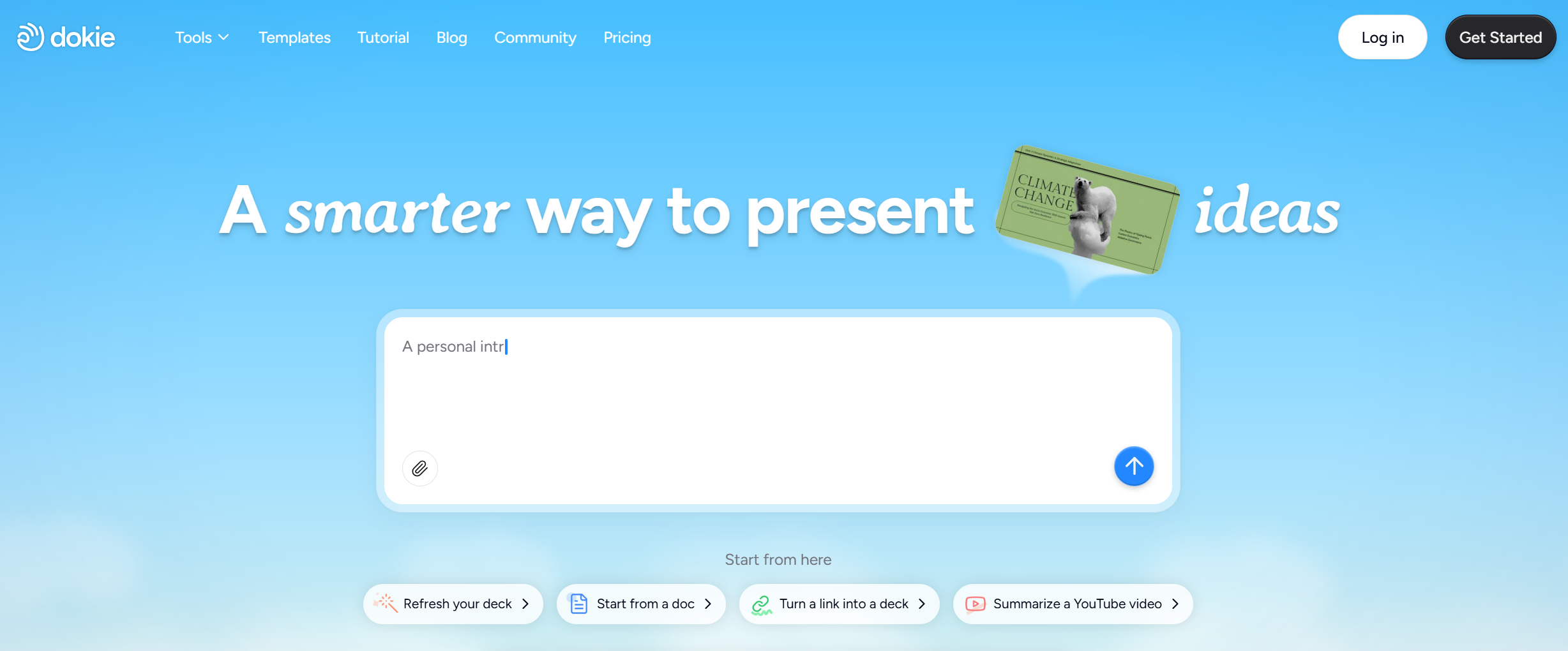
Negotiation often requires clear thinking and strong communication. You may need to present a business proposal, explain pricing, compare options, or show why your solution is valuable.
Dokie AI can help you turn rough notes into a clear, business-ready presentation. You can use it to create sales decks, partnership proposals, client presentations, salary negotiation summaries, or internal decision decks.
Instead of starting from a blank slide, Dokie AI helps organize your ideas into a clear structure. This makes it easier to explain your position, support your argument, and communicate value during important negotiations.
Negotiation Skills Checklist
Before your next negotiation, check these points:
Do I know my goal?
Do I know my minimum acceptable result?
Have I researched the other side?
Do I understand my BATNA?
Do I have evidence to support my position?
Have I prepared questions to ask?
Can I explain my value clearly?
Am I ready to stay calm under pressure?
Do I know where I can be flexible?
Will I confirm the final agreement in writing?
If you can answer these questions, you are better prepared.
FAQs About Negotiation Skills
1. What are the most important negotiation skills?
The most important negotiation skills include preparation, active listening, clear communication, emotional control, confidence, empathy, problem-solving, persuasion, flexibility, and closing.
2. Can negotiation skills be learned?
Yes. Negotiation skills can be learned through practice, preparation, feedback, and real conversations. You do not need to be naturally aggressive to become a good negotiator.
3. What is the best way to start a negotiation?
Start by understanding the goal and the other person’s needs. Ask questions, listen carefully, and explain your position clearly. Avoid starting with pressure or conflict.
4. How do I negotiate without sounding rude?
Use a respectful tone, explain your reasoning, and focus on solving the problem. You can be firm without being aggressive.
5. What does BATNA mean in negotiation?
BATNA means Best Alternative to a Negotiated Agreement. It is your best option if the negotiation does not succeed. Knowing your BATNA helps you make smarter decisions.
6. Why is listening important in negotiation?
Listening helps you understand what the other side really wants. This can reveal better solutions and reduce conflict.
7. How do I close a negotiation?
Summarize the agreement clearly. Confirm the price, timeline, responsibilities, next steps, and any remaining details. It is best to follow up in writing.
Conclusion
Negotiation is a practical skill that can help you in work, school, business, and daily life. It is not about being pushy. It is about preparing well, listening carefully, communicating clearly, and finding better solutions.
Start by improving one skill at a time. With practice, you can become more confident in difficult conversations and reach stronger agreements without damaging relationships.